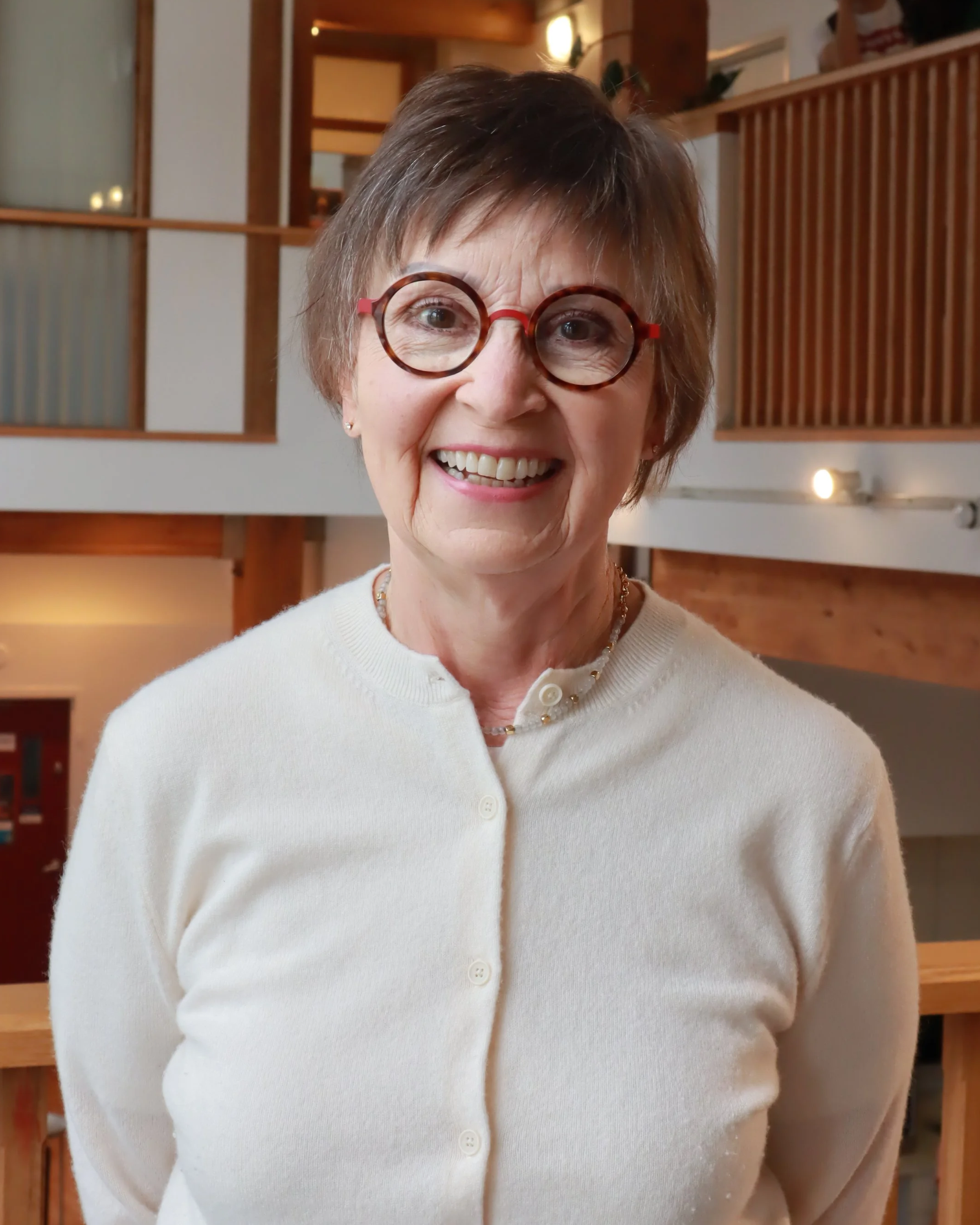
Morie Ford read the job posting for a Family Literacy Coordinator at Mount Pleasant Neighbourhood House. After the interview, she was so certain the job was hers that she went home and announced it.
“I should just sit here beside the phone, because they're so going to give me the job.”
They didn’t.
But eventually they did. Six years in, Morie has grown Family Literacy Outreach from two volunteers to fifty.
She recruits wherever she can: community referrals, social work interns, posters in libraries, faith communities and UBC. The families in Family Literacy Outreach face many barriers to learning English, including isolation, poverty, childcare and all the responsibilities they carry to maintain their families in a new country. Each woman gets one volunteer tutor for an hour a week.
Morie has always been determined to help those who fall outside the lines.
“In my own family, that's also been my role. My brother had learning challenges. I was raised by a single mom with three kids. She had three jobs. I understand what some of these women are going through. My mom went through a lot of those same things, but she at least she had the language.”
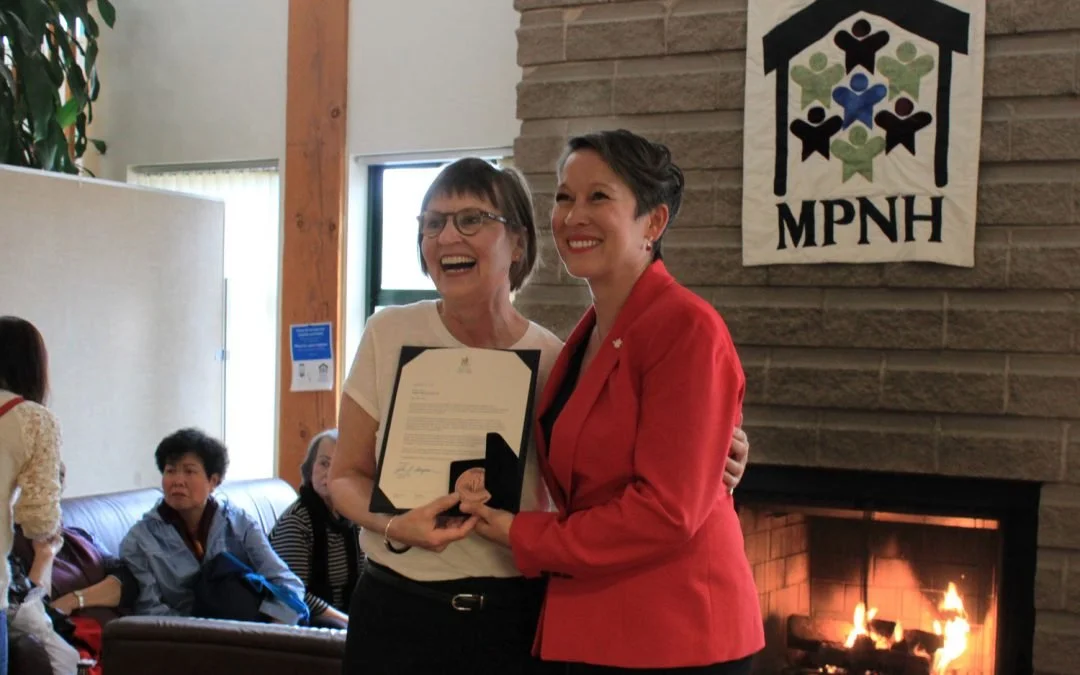
Morie is one of the co-founders of ONE to ONE Literacy Society, and for over 10 years has been Board Chairperson for the Writers’ Exchange, a non-profit that gets inner-city kids excited about reading and writing. In 2019, Morie accepted the Riasat Ali Khan Diversity Award in recognition of the innovative approach and social impact of the Family Literacy Outreach program. And in the same year, she received the BC Council of Literacy Award for her many contributions and outstanding achievements in literacy.
Before joining Mount Pleasant, Morie spent nearly a decade at an alternative school, moving from teacher to case manager to HR manager, where she helped manage over 40 employees.
“I've worked in all different types of educational environments and English second language environments with adults, with kids. I think it's in my blood, in my DNA.”
Morie rejects any connection between a person's circumstances and their potential. Her learners are strong; they wouldn't be here otherwise. Her job is to clear the obstacles in the way of that strength, so confidence can grow, curiosity can take hold, and each learner can decide where they want to go.
Volunteers don’t get matched to a family until they’ve sat through four hours of training with Morie: how to build a lesson plan, set an objective, open with a warm-up, and deliver an hour online to someone they have never met. What they don’t get is a curriculum. Nothing about what goes into the lesson, because what goes into it comes from the interests, experiences and abilities of the learners themselves.
“It's freaking hard. Very, very hard. But you start with what's in her kitchen. Open up your drawers. Knife, fork, spoon, children, hair colour, eye colour, body parts, weather. Those are the beginnings. And then you progress into sentences.”
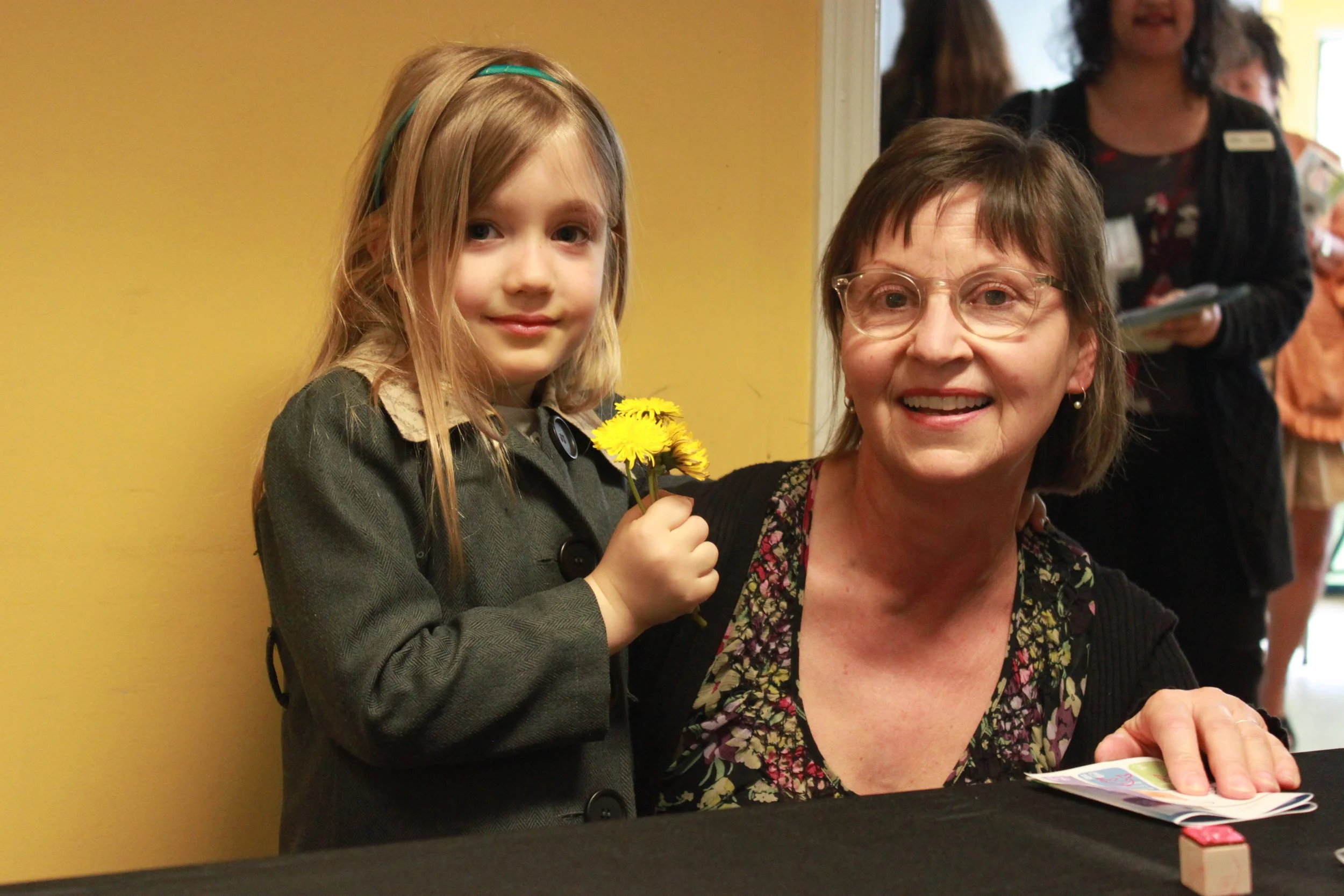
One woman from Myanmar spent her first session in her kitchen working out how to tell her tutor that the spaghetti sauce she'd bought was too spicy. Her last lesson was reviewing the ICBC driver's handbook. Another, arriving from Mexico, refused to take the bus by herself. So, her tutor gave her sessions on how to use local transit. Now she’s attending programs at Vancouver Community College, participating at her son’s soccer games, and working part-time in her church. This growth is what makes Morie smile.
“When it works at its best, they gain confidence to start to integrate into their community and face some of the barriers around citizenship, employment, life skills, and addressing the needs of their kids at school.”
Recently, Morie has her literacy glasses set on strengthening the Homework Club at MPNH. Volunteers come on Saturday mornings to provide academic support to kids in grade 7-12. Too many families can’t afford $80 an hour for a tutor – so Homework Club is filling that gap. Last year, we boosted over 40 kids with math and English especially!
While others might stop at eligibility requirements, funding rules or a falling grade, Morie’s instinct is to ask a different question: What would it take to make this work? Seems like nobody at Mount Pleasant has ever told her no. Morie calls her journey at MPNH a crazy cool ride.
“The structure of the neighbourhood house supports my values. They allow me to set up and support things that I know will have impact. It's an easy green light. You're not having to jump through a whole lot of hoops, and I always feel that the organization has my back.”
Morie’s hope for the next fifty years:
“I'd love to see a neighbourhood house in every neighbourhood. And I would like to see them continue to push the boundaries. We do that by listening to the community and addressing the needs they identify.”
Story written by Signy Marcyniuk through an interview with the staff during her practicum placement at Mount Pleasant Neighbourhood House.
50 Stories for 50 Years at MPNH is a collection of meaningful stories that celebrate the lasting impact our Neighbourhood House has had over the years. These stories come from long-time participants, families, youth, volunteers, community members, and regular visitors whose lives have been touched, supported, or transformed through our programs, services, and connections at the House.