Nargiz Azizova - 50 Stories for 50 Years (Story # 16)
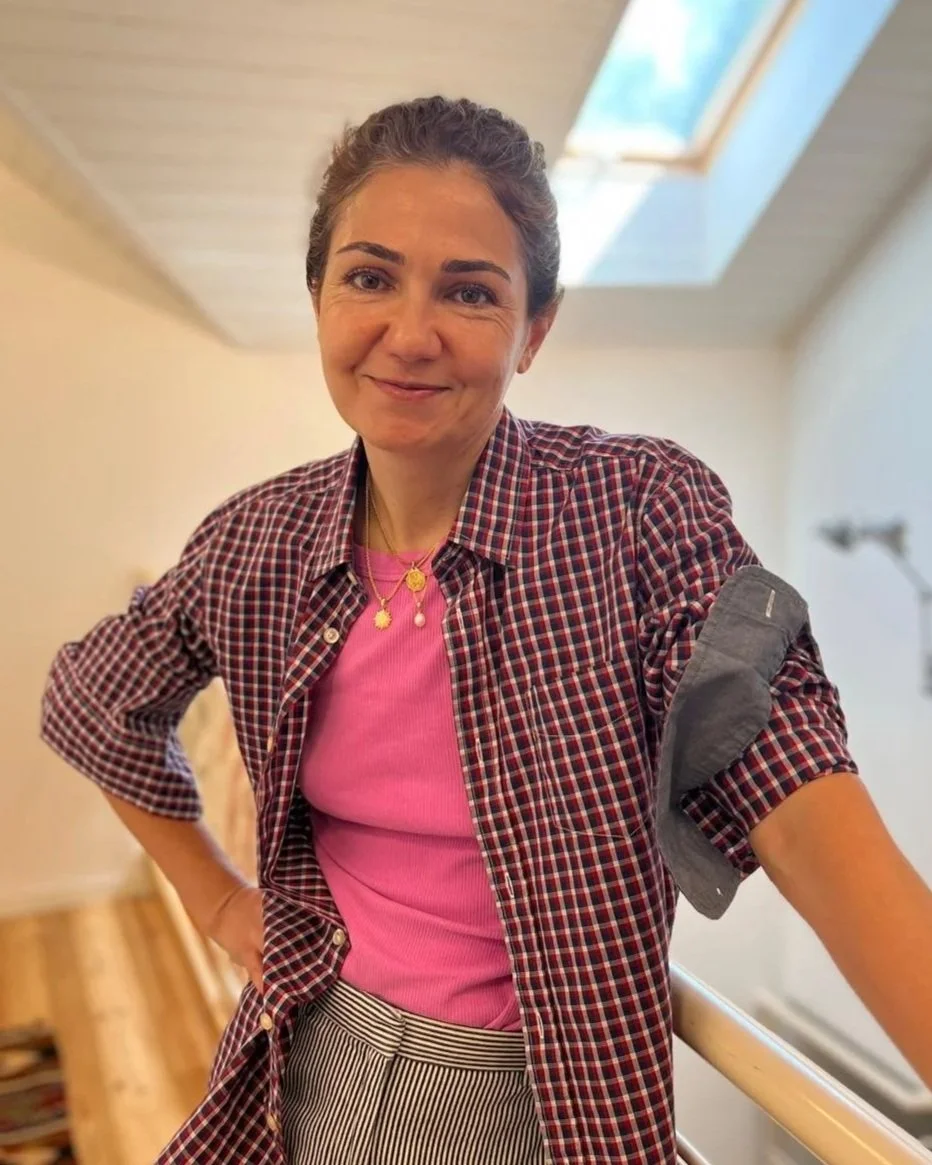
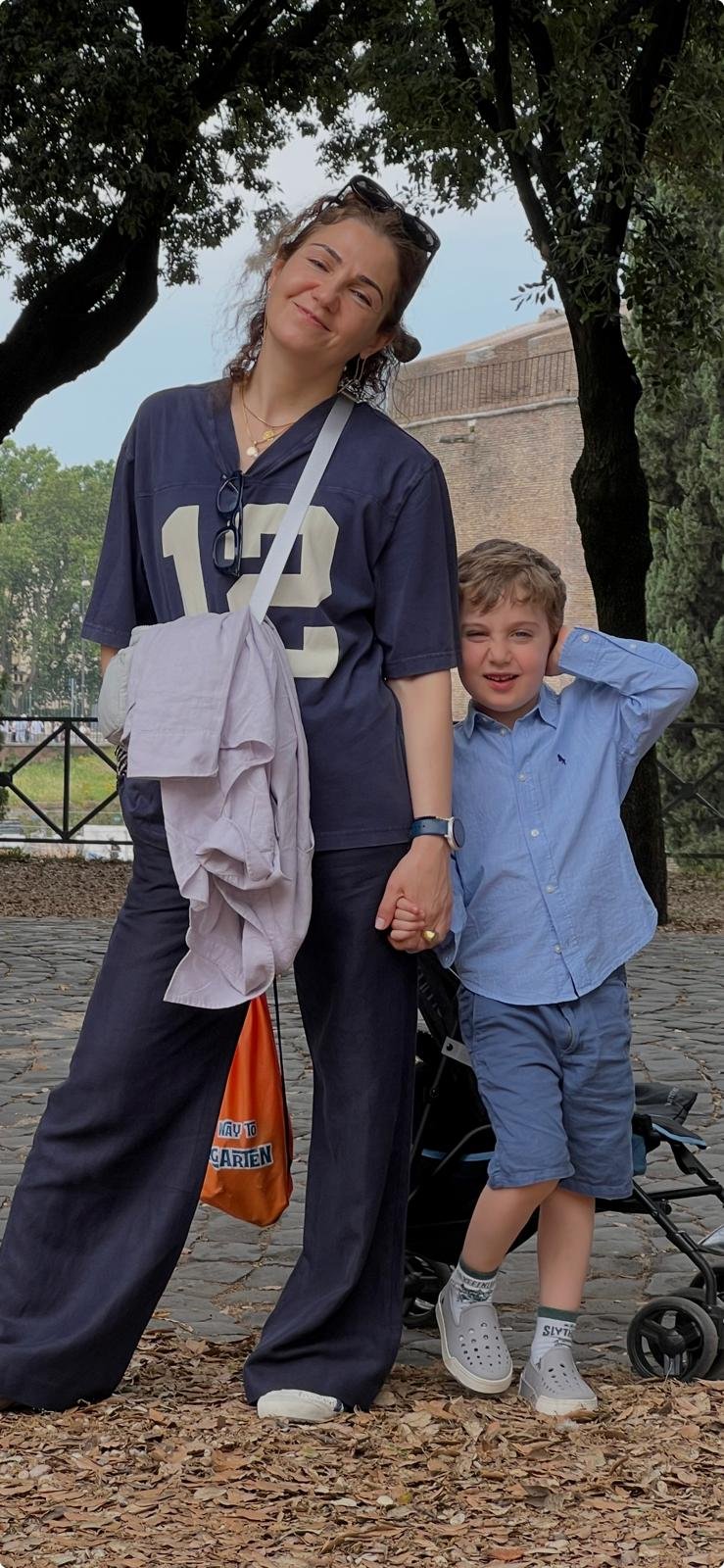
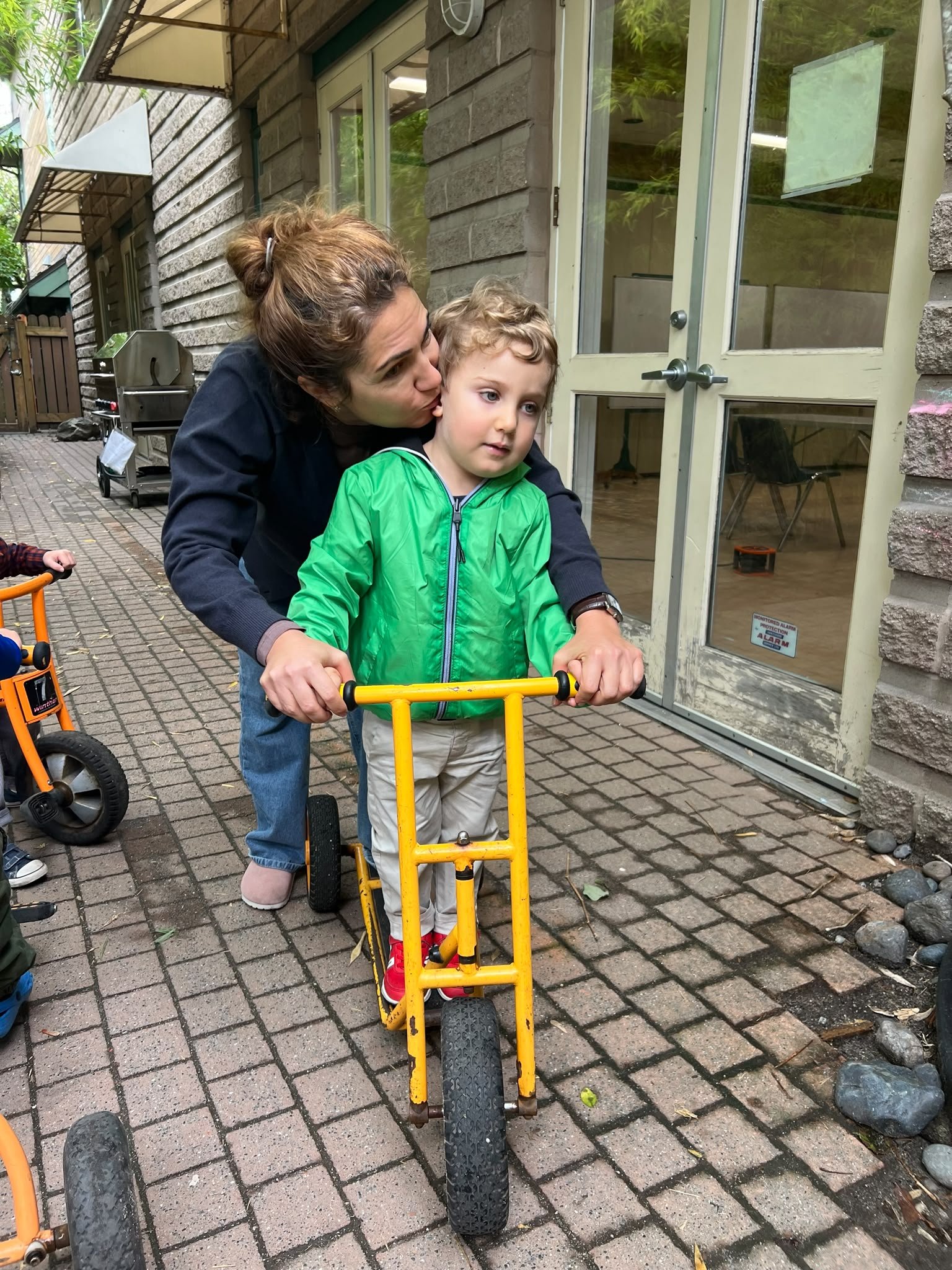
The first thing Nargiz Azizova noticed about Mount Pleasant Neighbourhood House was the millwork. The second: the preschool teachers understood her son.
“He's making sounds and they're reacting to those sounds — as if they're trying to talk to him, to communicate in his language, or just share his excitement… For him it was all the same, but for me, it was a big difference. Big difference.”
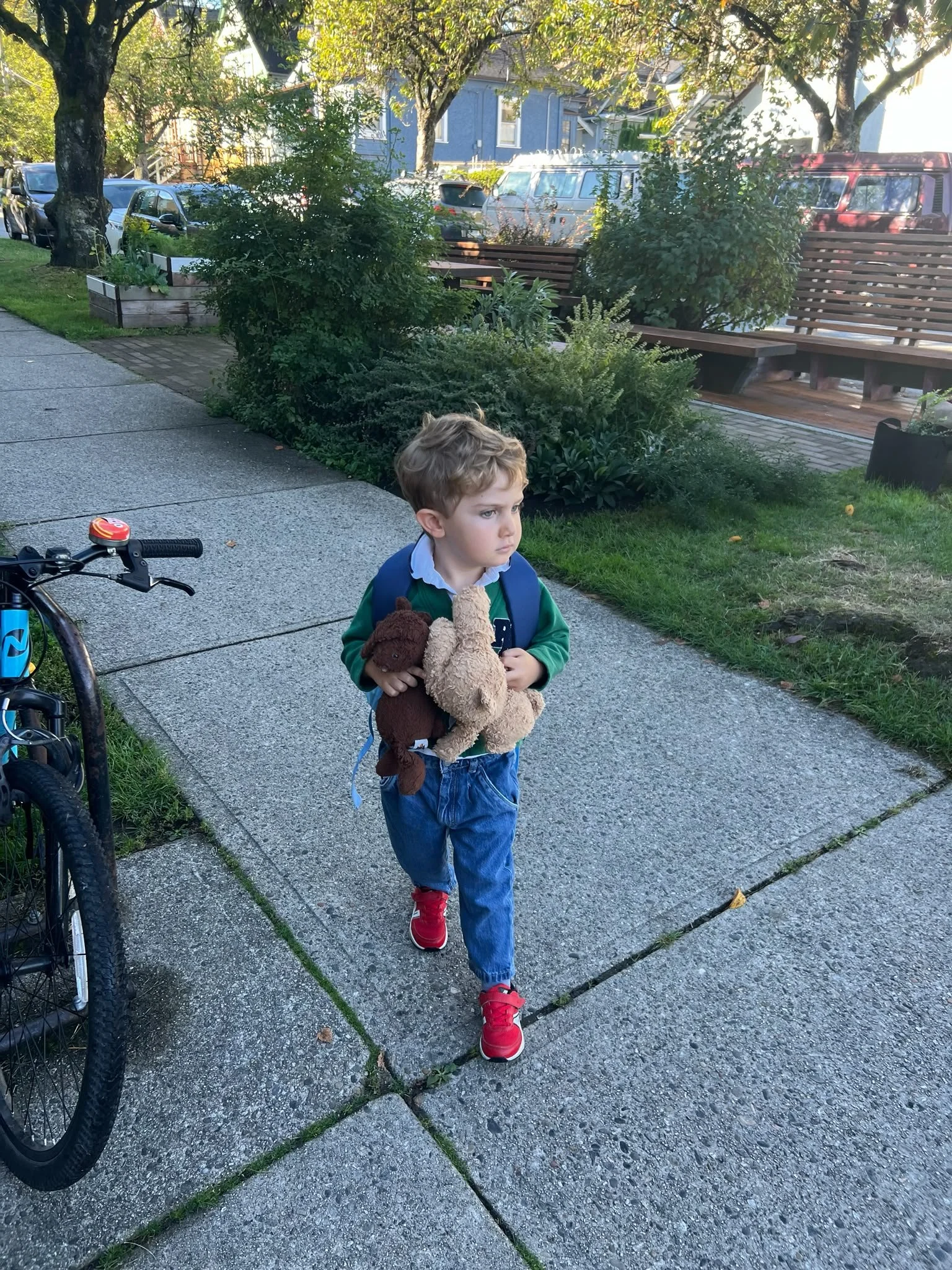
Nargiz, a former cardiologist and mother of three young adults, thought she was going through menopause when she discovered she was pregnant with Alikhan. A bright and cheerful baby, he began losing words around two. A diagnosis confirmed autism spectrum disorder. Today he is nonspeaking. Nargiz knew her son, full of energy, curiosity, expression and delight, needed to be around other children. She was also aware that inclusive did not always mean welcome. Most of all, she wanted a place that would see Alikhan as a child to support, not as a problem to manage. Enter Lorena, Leela and the MPNH preschool.
“[Lorena] told me that sometimes they need even more adjustment than just behavioural… they adjusted their rooms, their spaces, to be more accessible. When I heard they went to that extent, I was pretty sure that whatever my kid needs, his needs will be met here.”
While Alikhan settled in, Nargiz stayed close, always braced for disaster. She attended preschool with her son for two weeks, watching the educators, the other children, and the way the room made space for him. She got to know the staff, the children, and their stories. One day the team suggested she go for coffee; she left for fifteen minutes. Nothing bad happened. Then Nargiz took a little more time: coffee and a walk. Eventually, she sat in her car.
“I was with my phone in my hands, full sound … I was expecting everything — a call that he hurt himself, he ran away, the worst nightmare any mother can imagine. Or, you know what, we can't handle him, come and take him. Never happened. It never happened.”
Instead, Nargiz found partners.
“Every time we met, Leela said, I want to understand him better. Give me a key. What does it mean when he does this?”
Leela and Lorena brought in a designated one-to-one, Mojdeh, and Alikhan took to her immediately. Leela hosted parenting workshops on attachment and brain-body parenting, and she and Lorena recommended books that Nargiz devoured. The shared work of learning Alikhan paid off.
“At pickup, there were short stories about what he did, how he achieved parallel playing, sharing toys. Everything was a milestone for me.”
She cannot imagine a world where Alikhan hadn't gone to MPNH.
“I don't see an alternative reality. We gained basic routines, social skills… He trusts adults, not just his mom. They're not just teaching him; they're living his life with him. And making him comfortable living his life without using words.”
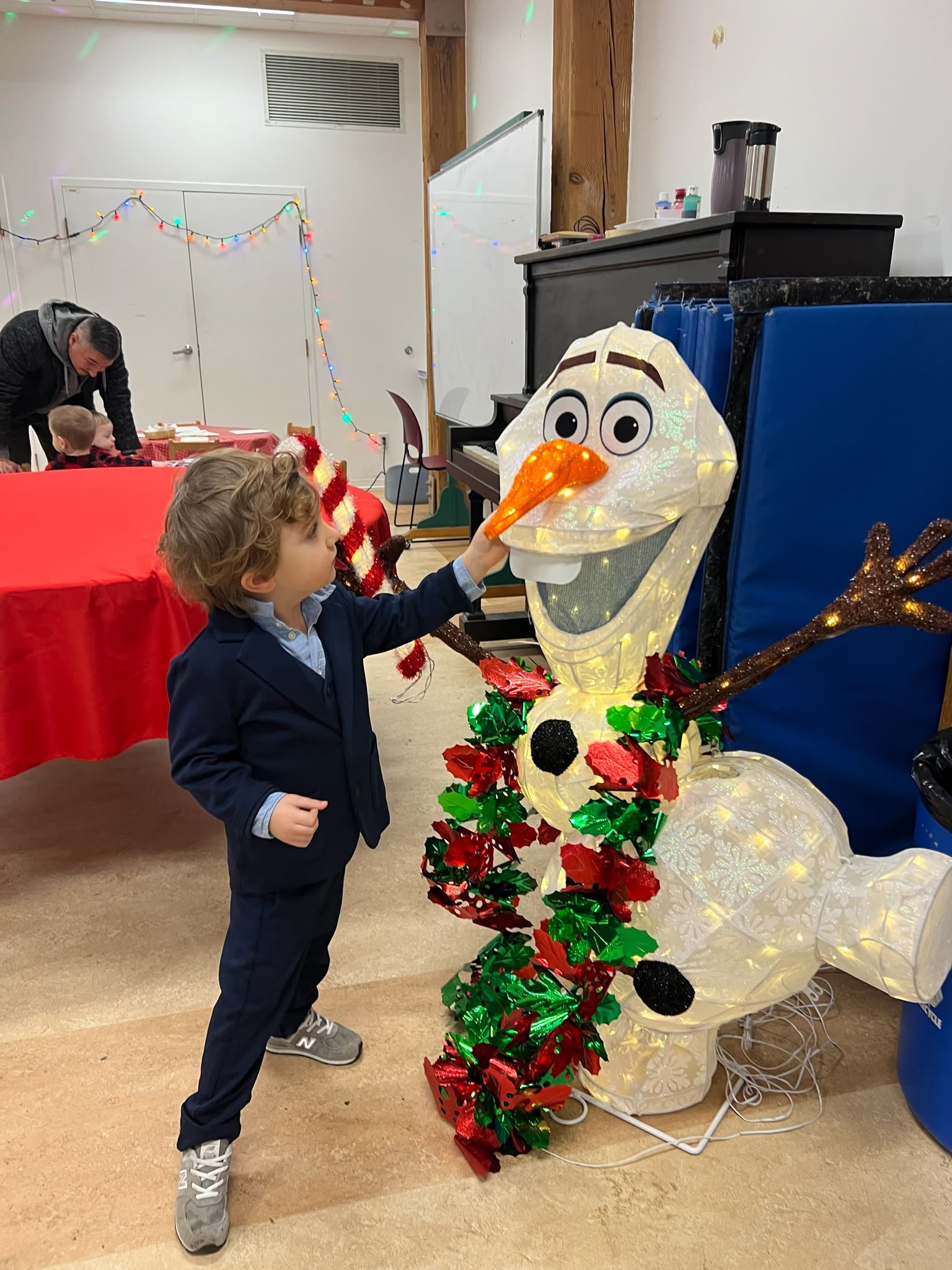
At the Front Desk, people say hello and wave to Alikhan. Sometimes he waves back. When he arrives early, he likes to turn on the fireplace. At an MPNH Christmas party, he wandered the hall with the ease of a regular.
“I just see his back. He went like he owned the place. He felt so confident. And I feel safer when he's there than when I'm leaving him with one of my other kids.”
When Nargiz thinks about the next fifty years at MPNH, her wish is that the human connection remains.
“That soul, that attitude, that common thing they have. Their priorities will stay the same. Because for people like me who come seeking help… The worst thing in the world is loneliness, when you feel you're by yourself with your pain. People at Mount Pleasant, they feel you. They make you feel like you're one of them.”
Story written by Signy Marcyniuk through an interview with the family during her practicum placement at Mount Pleasant Neighbourhood House.
50 Stories for 50 Years at MPNH is a collection of meaningful stories that celebrate the lasting impact our Neighbourhood House has had over the years. These stories come from long-time participants, families, youth, volunteers, community members, and regular visitors whose lives have been touched, supported, or transformed through our programs, services, and connections at the House.